Ever been swarmed after stepping outside after a storm? Mosquitoes after heavy rain can turn a calm backyard into a biting zone. If you live in the Tampa Bay Area, you probably have seen it happen.
However, this is not bad luck. Rain sets off a chain reaction that helps mosquitoes multiply fast. In this guide, we explain why mosquitoes increase after rain and what you can do about it.
At A Good Neighbor Property Solutions LLC, we see this pattern after almost every big storm. Homeowners across the Tampa Bay Area and the Nature Coast face the same challenge. Therefore, we put together these practical tips based on our experience in the field.
Why do more mosquitoes come out after heavy rain?
Water is the short answer. Mosquitoes lay eggs in stagnant water. Heavy rain gives them plenty of it, almost overnight.
Three things happen at once. First, rain fills small containers and low spots. Second, it raises humidity, which adult mosquitoes love. Third, it wakes up eggs that were waiting in dry soil.
Also, Florida’s warm temperatures speed up the whole life cycle. In hot weather, a mosquito can go from egg to adult in a week to ten days or so. And a few puddles can turn into a swarm before you know it.
That’s why mosquitoes are so much worse after it rains, even if the storm was short. Heavy rain can also create ideal conditions for mosquito activity after the storm. Most species stay close to where they hatch, so the source is generally nearby.
How Does Rain Create New Mosquito Breeding Sites?
Rain creates breeding sites in two ways. Some are easy to spot. Others stay hidden until the bites start.
Containers and Low Spots
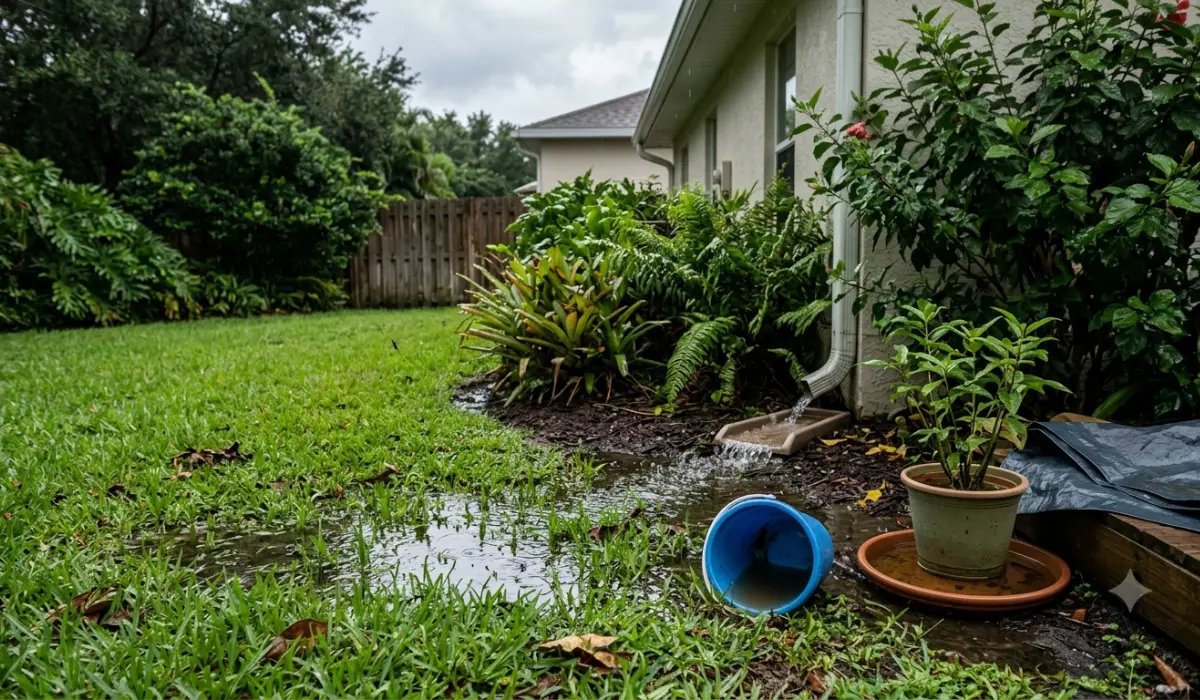
Mosquito breeding after rain often starts in tiny spaces. Even a bottle cap of water can be enough for some species. Plant saucers, buckets, and clogged gutters fill quickly.
Moreover, flat or compacted areas of the lawn drain slowly. Water can sit there for days. That gives larvae plenty of time to grow.
Dormant Eggs in Dry Soil
Some mosquitoes lay eggs on damp soil instead of on water. Those eggs can wait for months. Then a heavy rain floods the spot, and they hatch together.
This is why mosquito activity after rain can jump so suddenly. One week the yard is quiet. The next week, it feels crowded.
How Long After Rain Do Mosquitoes Become More Active?
Most homeowners will see the change in a couple of weeks. Eggs can hatch after one or two days of the flood. Under warm weather conditions, it takes seven to ten days for them to develop into biting adults.
So mosquitoes are on a predictable schedule after heavy rain. The worst biting often occurs days after the storm, not during the storm. Many expect an instant problem, but it builds quietly.
Humidity matters too. Mosquitoes rest in moist shade after a storm and bite at dusk and dawn. The air is humid, so they live longer and bite more often.
Where Do Mosquitoes Breed After a Florida Storm?
Florida mosquitoes can reproduce in almost any depression that holds water after rain. When the storm is over, take a walk around your property and look carefully. Common trouble spots are:
- Clogged gutters and downspouts
- Plant saucers, buckets, and kids’ toys
- Tarps, boat covers, and trash can lids
- Old tires and unused equipment
- Bromeliads and other plants that trap water in their leaves
- Drainage ditches, swales, and low corners of the yard
Here is a pattern we see often in Spring Hill. The yard looks clean, but a folded tarp and two clogged downspouts hold water for days. That small amount is enough to feed a whole backyard.
Businesses face the same issue. Loading docks, drains and landscape beds collect water as well. The mosquitoes after heavy rain can hurt business because restaurants, offices and HOAs lose customers when guests can’t enjoy outdoor space.
Why Do Mosquito Problems Continue After the Yard Dries?
A dry lawn doesn’t mean the problem is over. Rain does not make mosquitoes go away when the sun shines. Some eggs remain in the ground, while adult mosquitoes continue resting in shaded areas.
Plus, heavy shrubs, palms and hedges retain humidity long after grass dries. Those spots become daytime hideouts. Mosquitoes then come out in the evening to feed.
Florida’s seasonal pattern makes it harder. Afternoon storms arrive almost daily from June through September. As a result, mosquito breeding after rain repeats every few days.
Even the cooler months don’t get cold enough in the Tampa Bay Area to completely stop pests. This year-round pressure means mosquitoes can keep coming back after heavy rain unless you stay ahead of the problem.
How Can Florida Homeowners Reduce Mosquitoes After Heavy Rain?
Once you know why mosquitoes are worse after rain, the fix seems simpler. You can take several simple steps to reduce mosquito activity. Start with simple habits and if bites persist, consult a professional.
Empty and Dry Out Standing Water
Within a few days of every storm, walk the yard. Empty the buckets, turn the containers over, and refresh the bird baths. Also, clean the gutters and downspouts.
Wash pet bowls daily. Fill low spots with soil to keep water from pooling. These little steps really do reduce mosquito activity after rain more than most people realize.
Trim Shade and Humidity
Trim dense shrubs and keep the grass short. This removes cool, damp resting spots. In addition, better airflow makes your patio less inviting.
Call a Professional When Bites Continue
DIY steps help, but they don’t usually get into every corner. Professional mosquito control targets breeding sites and resting places at the same time.
We begin all of our mosquito control services with an inspection. We look for standing water, shaded hideouts and trouble areas. We then create a customized treatment plan using organic-based products. Then we monitor your property and adjust the program as the seasons change.
For steady coverage, consider a mosquito misting system. It treats your yard automatically on a set schedule. Therefore, you do not have to remember a thing.
Good yard habits go hand-in-hand with mosquito prevention services to provide the best results. They work together to keep your outdoor space comfortable all year round. We customize the plan to your property, whether you need residential or commercial pest control.
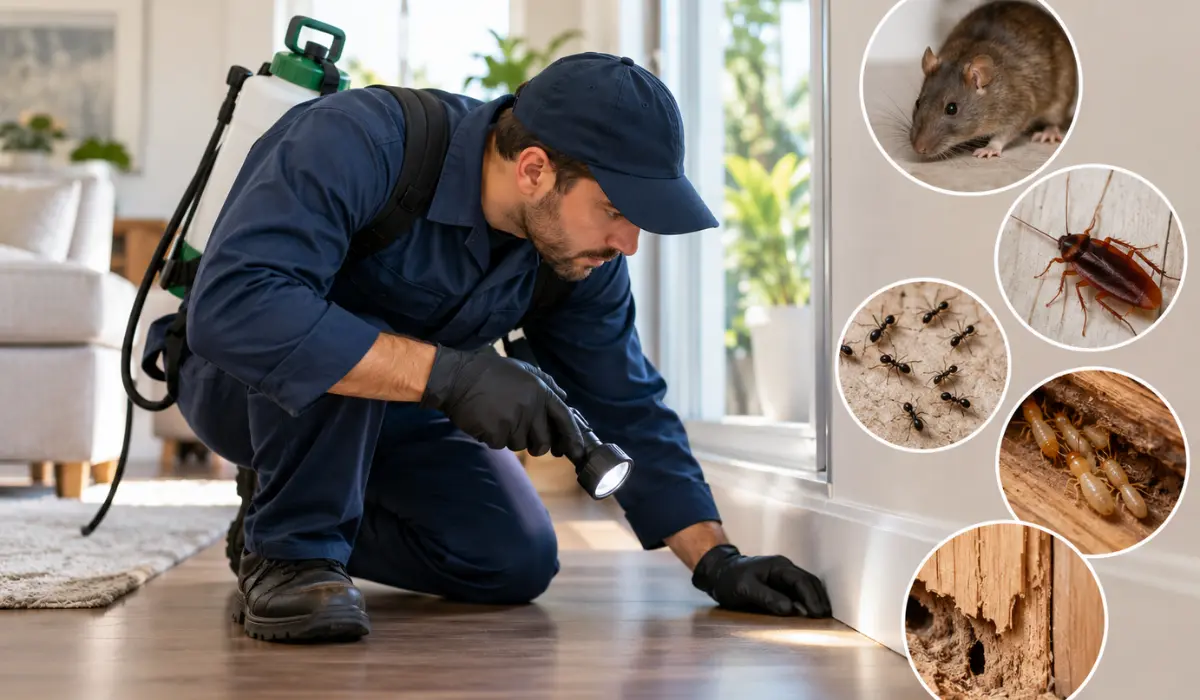
Homeowners across the Tampa Bay Area and the Nature Coast face heavy rain every summer. Meanwhile, that extra moisture can also attract termites. Our inspections can check for both, so you get one clear picture of your property.
Final Thoughts
After heavy rain, mosquitoes aren’t random. Warm temperatures, high humidity and standing water are the perfect combination. Now you know why mosquitoes appear after rain and where to start looking.
Mosquitoes are predictable after rain, so a routine works. With the right plan, mosquitoes after a storm don’t have to ruin your evenings. Call us at (813) 579-0699 for a free inspection and custom plan.
FAQs
Why are mosquitoes worse after storms in Florida?
Storms create standing water in containers, gutters and low spots. Warm, humid weather accelerates mosquitoes that lay eggs there. As a result, biting adults often appear within about a week.
What should I do about mosquitoes after heavy rain in Tampa Bay?
Go around your garden and empty anything that holds water. Clean the gutters, change the bird baths, cut back the overgrown shrubs. If you continue to get bitten, have an inspection done so a professional can find hidden breeding sites and resting areas.
Can mosquito eggs survive in dry soil?
Yeah. Some species deposit eggs in wet soil, and these eggs can remain dormant for months. Then a heavy rain floods the spot and many eggs hatch at once.
When should I schedule mosquito control after a storm?
You would ideally want to do this within a few days. Early treatment is aimed at larvae and young adults, before their numbers explode. But you can call anytime, as our team can still reduce mosquito activity and build a plan for the rest of the season.
Is a Mosquito Misting System Worth It for the Tampa Bay Area?
Yes, for many homes. Florida’s warm weather keeps mosquitoes active most of the year. A misting system will automatically treat your garden, providing consistent, reliable protection between regular visits.