Nobody wants to share their home with unwanted visitors, yet pests have a way of sneaking in when you least expect it. A few ants on the kitchen counter or a spider in the garage might seem harmless, but these small signs often point to a much bigger problem hiding behind your walls. Pest control isn’t just about swatting away annoyances; it’s about protecting the people and property you care about most. From termites quietly chewing through your foundation to rodents spreading disease, pests pose real risks that go far beyond inconvenience. This article explores why consistent pest management matters, what dangers untreated infestations create, and how homeowners and business owners alike can stay one step ahead.
Why Pest Control Matters More Than You Think
Pests are resourceful. They find gaps in doorframes, cracks in foundations, and moisture-prone areas that most people never notice. Once inside, they multiply quickly, turning a minor nuisance into a full-blown infestation within weeks.
Regular pest control isn’t a luxury reserved for severe cases. It’s a proactive strategy that keeps small problems from becoming expensive disasters. Think of it the way you’d think about routine car maintenance: skipping it doesn’t save money long-term; it just delays a bigger bill.
The Hidden Cost of Ignoring Pests
Structural damage from termites alone costs American homeowners billions of dollars annually, and most standard homeowner’s insurance policies don’t cover it. Rodents can chew through electrical wiring, creating fire hazards that go unnoticed until it’s too late.
Beyond property damage, pests carry bacteria, allergens, and pathogens that affect indoor air quality and household health. Cockroach droppings, for example, are a well-documented trigger for asthma and allergic reactions, especially in children.
Health Risks Pests Bring Into Your Home
Many people underestimate how much pests can affect their family’s wellbeing. It’s not just about the “ick factor” of seeing a bug scurry across the floor.
Common health concerns linked to pests include:
- Rodents contaminating food and surfaces with droppings and urine
- Mosquitoes transmit diseases like West Nile virus and dengue
- Cockroaches worsen asthma and trigger allergies
- Ticks and fleas carrying Lyme disease and other tick-borne illnesses
- Stinging insects causing severe allergic reactions in sensitive individuals
A consistent pest control routine reduces these risks significantly. It’s one of the simplest ways to create a healthier living environment without overhauling your entire lifestyle.
Residential Pest Control: Protecting Where You Live
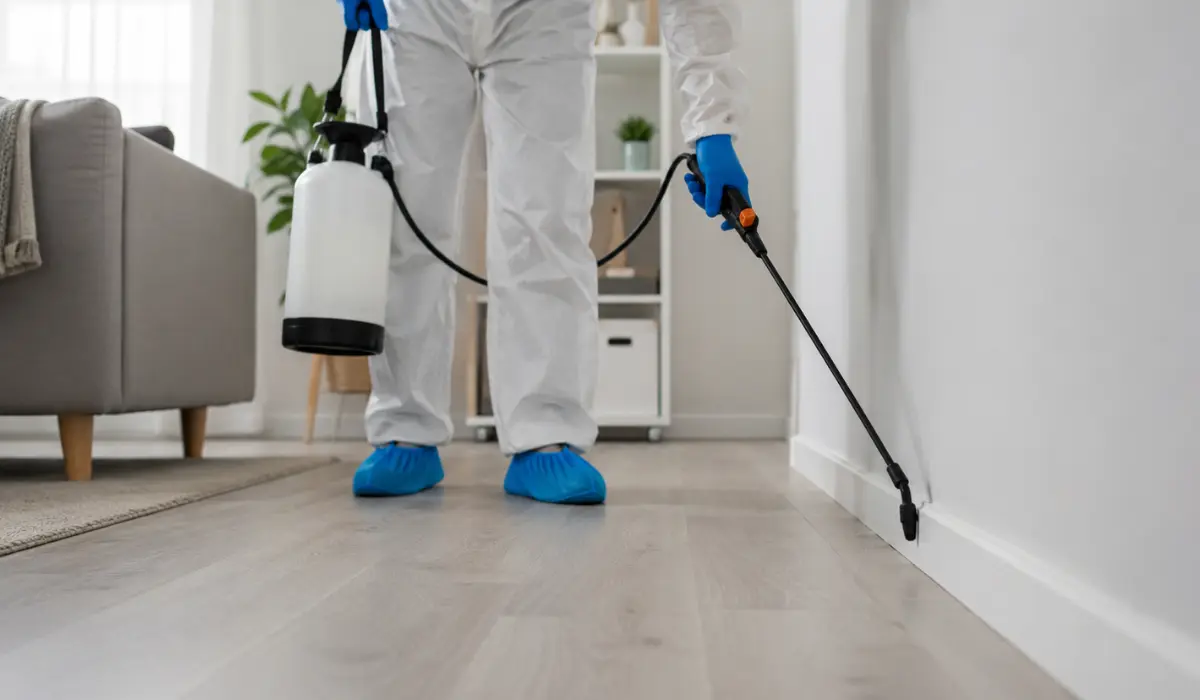
Your home should feel like a sanctuary, not a battleground against unwanted invaders. Residential pest control focuses on identifying entry points, treating active infestations, and preventing future ones through ongoing monitoring.
What a Good Residential Program Looks Like
A thorough residential pest control plan typically includes seasonal inspections, targeted treatments for common local pests, and sealing of potential entry points around windows, vents, and utility lines. Technicians also look at moisture issues, since damp conditions attract termites, ants, and roaches alike.
Homeowners in warmer, humid climates face unique challenges. For instance, pest control Tampa Bay area services often deal with a higher volume of subterranean termites, palmetto bugs, and mosquitoes due to the region’s heat and humidity. Local expertise matters here because a technician familiar with Florida’s climate patterns will know exactly where and when to focus preventive efforts.
Practical Tips for Homeowners
- Trim vegetation and tree branches away from your home’s exterior
- Store firewood at least 20 feet from your foundation
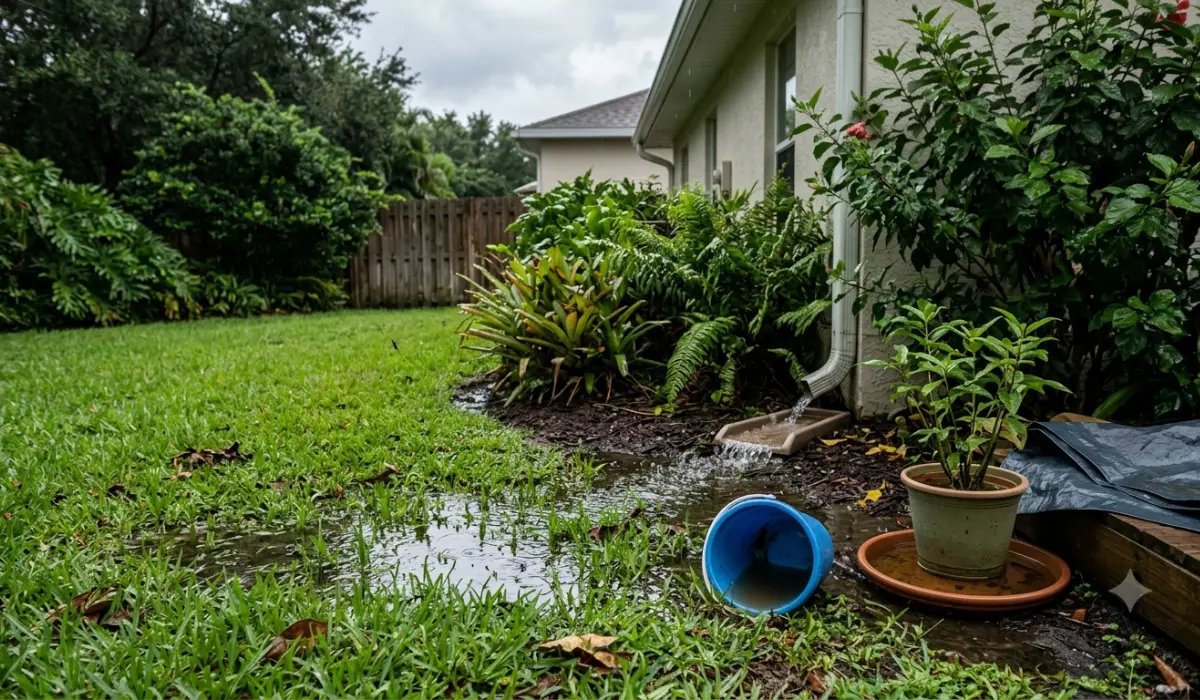
- Fix leaky pipes and standing water promptly
- Keep food in sealed containers and clean up crumbs immediately
- Schedule inspections at least twice a year, more often in high-risk regions
These small habits, combined with professional treatments, create layers of protection that pests struggle to breach.
Commercial Pest Control: Safeguarding Your Business Reputation
Pests don’t just threaten homes. Businesses face their own set of challenges, and the stakes can be even higher. A single sighting of a rodent or roach in a restaurant, hotel, or retail space can damage a company’s reputation overnight, especially in the age of online reviews.
Commercial pest control programs are designed around the specific needs of an industry. A grocery store faces different risks than an office building or a medical facility, so treatment plans must be tailored accordingly.
Why Businesses Can’t Afford to Skip It
Health code violations from pest sightings can result in fines, temporary closures, or loss of licensing. Beyond legal consequences, customer trust takes a hit that’s hard to rebuild.
Regular commercial pest control keeps businesses compliant with health regulations while protecting employees and customers from exposure to disease-carrying pests. It also protects inventory, equipment, and building materials from damage that eats into profit margins.
Industrial Pest Management: A Different Scale Entirely
Warehouses, manufacturing plants, and distribution centers deal with pest challenges on a much larger scale than typical homes or storefronts. Industrial pest management requires specialized strategies because these facilities often store large quantities of goods, raw materials, or food products that attract pests in significant numbers.
Key Considerations for Industrial Facilities
Large loading docks, storage areas, and shipping containers create multiple entry points that are difficult to monitor without a dedicated plan. Industrial pest management typically involves ongoing surveillance, documented treatment records for compliance purposes, and coordination with facility managers to minimize disruption to operations.
Because industrial facilities often operate under strict regulatory oversight, especially in food production and pharmaceuticals, pest control providers must understand both safety protocols and operational workflows. This isn’t a one-size-fits-all service; it requires experience working within complex facility structures.
Organic-Based Approaches Are Gaining Ground
More homeowners and businesses are asking for organic-based pest control options that reduce environmental impact while still delivering effective results. These approaches often use naturally derived ingredients, targeted application methods, and integrated pest management techniques that focus on prevention rather than heavy treatment.
Organic-based solutions work particularly well for ongoing maintenance programs, where the goal is to keep pest populations low rather than eliminate a severe existing infestation. Combining organic pest control methods with traditional treatments, when necessary, often produces the best long-term results.
How Often Should You Schedule Pest Control?
The right frequency depends on your location, property type, and pest pressure. As a general guideline:
- Quarterly treatments work well for most residential properties in moderate climates
- Monthly or bi-monthly service is recommended for high-humidity regions or properties with previous infestations
- Custom schedules are typically necessary for commercial and industrial facilities based on risk assessments
A licensed pest control professional can evaluate your specific situation and recommend a schedule that balances protection with practicality.
Choosing the Right Pest Control Partner
Not all pest control companies offer the same level of service. Look for providers with proper licensing, positive customer reviews, and transparent treatment plans. Ask about their approach to prevention, not just reactive treatment, since the best providers focus on stopping problems before they start.
Experience matters too. A company that has worked extensively in your specific region will understand local pest behavior patterns better than a generic national provider.
Conclusion
Protecting your family and property from pests isn’t something to leave to chance. Whether you’re a homeowner dealing with seasonal ant trails, a business owner responsible for health code compliance, or a facility manager overseeing a large industrial space, consistent pest control is one of the smartest investments you can make. It safeguards health, prevents costly structural damage, and gives you peace of mind that your space stays safe year-round.
Don’t wait until a small problem turns into a major headache. Reach out to a trusted local pest control provider today and schedule an inspection to see exactly where your property stands.
FAQs about Pest Control
How often should I get pest control treatment for my home?
Most homes benefit from quarterly treatments, though properties in humid climates or those with a history of infestations may need monthly or bi-monthly service. A professional inspection can help determine the ideal schedule based on your specific risks and location.
Is organic-based pest control as effective as traditional methods?
Organic-based pest control can be highly effective, especially for ongoing prevention and maintenance. For severe or established infestations, combining organic-based methods with traditional treatments often delivers the most reliable results.
What’s the difference between residential and commercial pest control?
Residential pest control focuses on protecting homes and families from common household pests. Commercial pest control addresses larger properties like restaurants, offices, and retail spaces, often with stricter health code requirements and tailored treatment plans.
Why is industrial pest management different from standard pest control?
Industrial pest management deals with large-scale facilities like warehouses and manufacturing plants. It requires specialized monitoring, documentation for regulatory compliance, and strategies suited to complex operational environments.
What pests are most common in the Tampa Bay area?
Due to the region’s heat and humidity, common pests include subterranean termites, mosquitoes, palmetto bugs, and various ant species. Local pest control Tampa Bay area providers are familiar with these regional patterns and adjust treatments accordingly.
Can pests really affect my family’s health?
Yes. Pests like cockroaches, rodents, and mosquitoes can trigger allergies, worsen asthma, and even transmit diseases. Regular pest control significantly reduces these health risks by keeping populations under control.
How do I know if I need professional pest control versus DIY solutions?
DIY methods can help with minor, isolated issues, but recurring sightings, structural damage, or large infestations usually require professional intervention. Licensed technicians have access to more effective tools and can identify underlying causes that DIY methods often miss.
Does pest control help protect my property’s structural integrity?
Absolutely. Termites and certain wood-boring pests can cause significant structural damage over time, often without obvious warning signs. Routine inspections and treatments catch these issues early, preventing costly repairs down the road.